


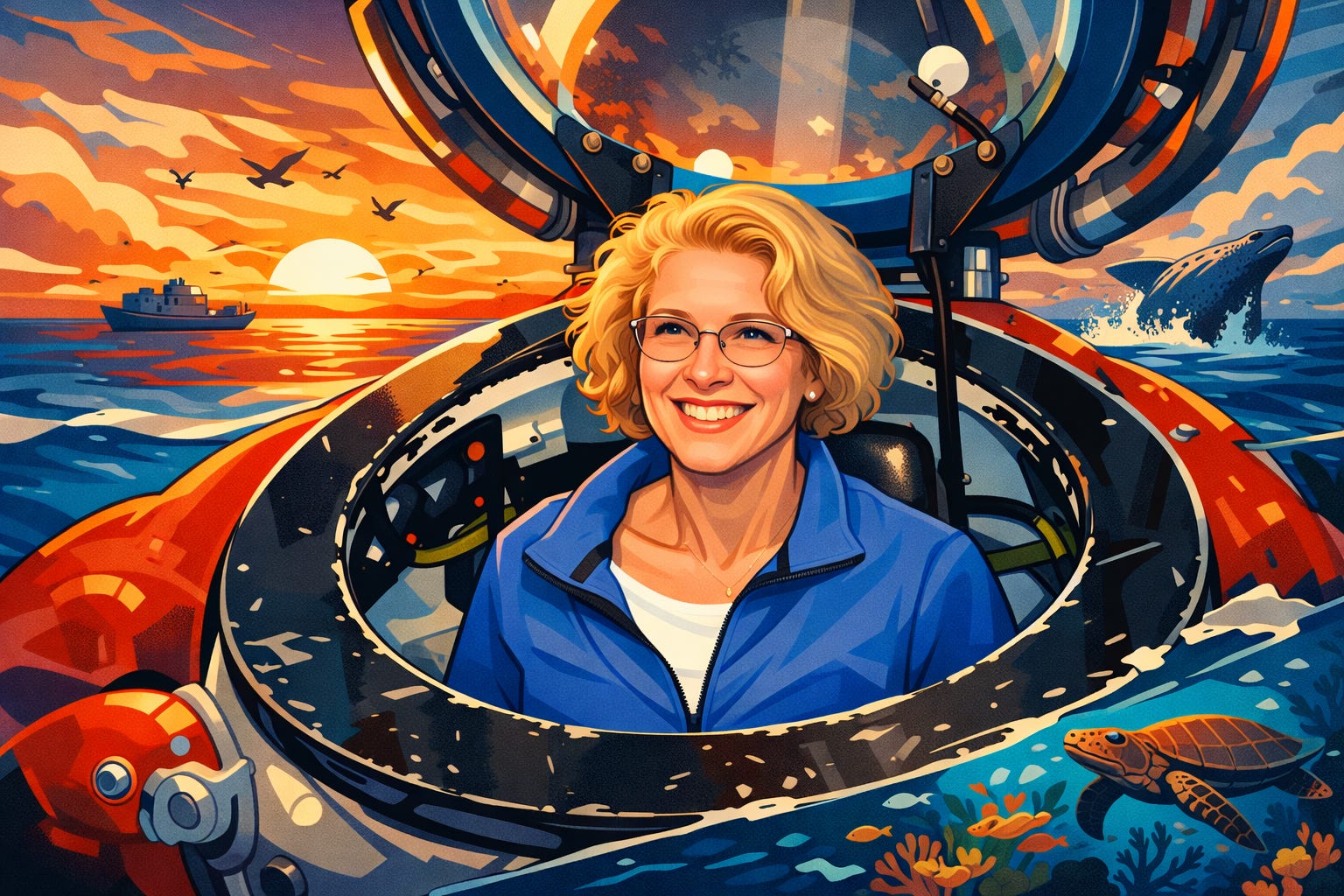
I first came across Kristina Gjerde in 2019, in a TED talk I stumbled on. She was standing on stage, talking about the high seas (the 50% of the planet that belongs to no nation) and she said something that stopped me:
‘It is, in theory, the global commons, belonging to us all. In reality, it is managed by and for those who have the resources to go out and exploit it.’
I watched the whole thing. Then I watched it again. What stood out was that there was a woman who had spent her life building the legal architecture for protecting half the planet, and I had never heard of her.
That should tell you everything about how we value the people who actually change things.
This is Ocean Heroes. Each month, I write about someone who changed what’s possible for the sea. Scientists. Lawyers. Activists. Fishers. Indigenous leaders. People who spent decades in rooms most of us will never see, fighting for places most of us will never visit.
Some are still working. Some we’ve lost. All of them left the ocean different than they found it.
Most of them, you’ve never heard of. That’s the point.
The Woman Who Gave the Ocean a Law
Kristina Gjerde died yesterday. She was 68. Pancreatic cancer.
In three weeks, the High Seas Treaty will enter into force. It is the most significant piece of ocean legislation in a generation. She spent twenty years making it happen.
She will not be there when it becomes law.
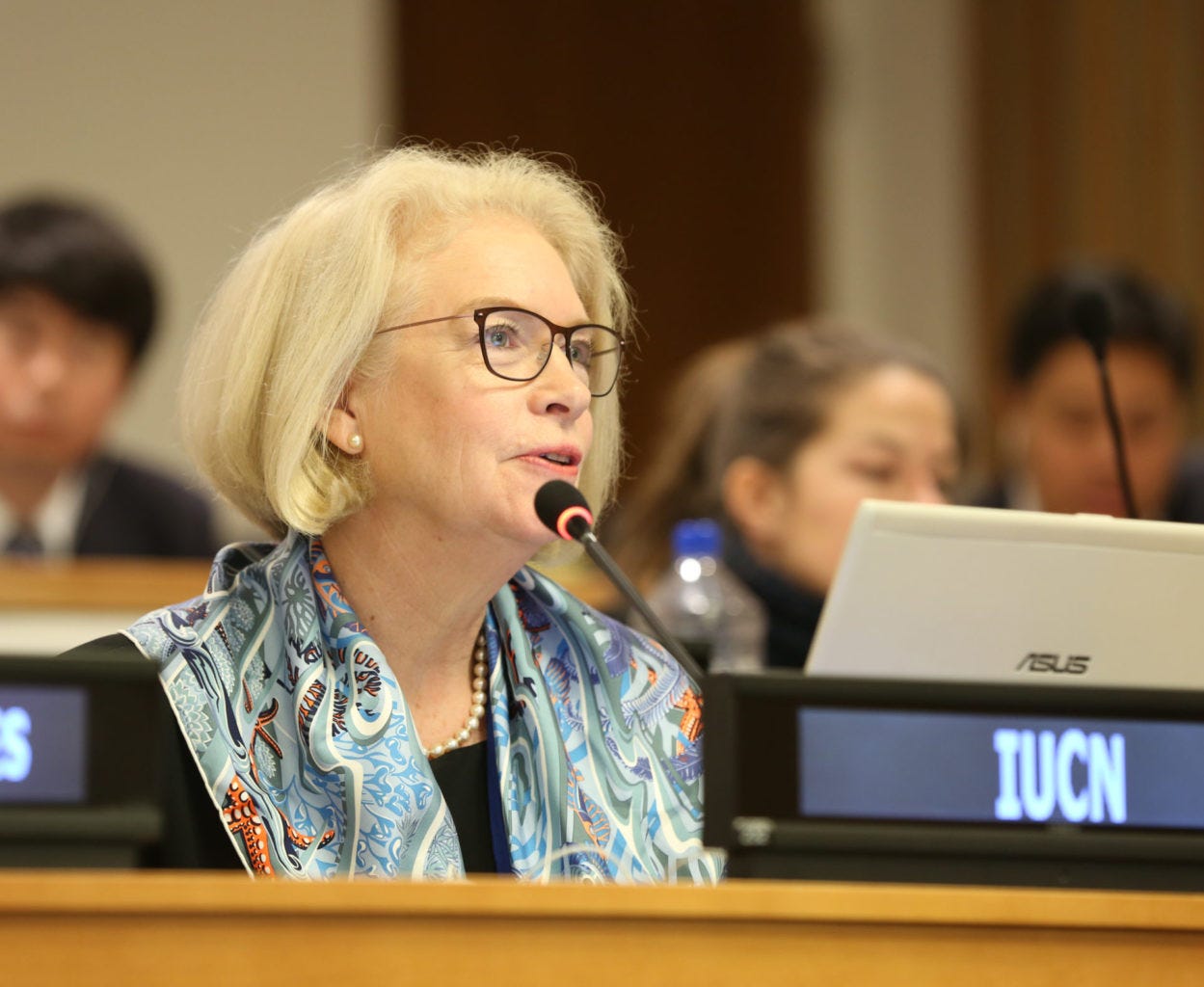
What are the High Seas?
Let me tell you what the high seas are, just in case you’re not 100% sure on it.
Sail 200 nautical miles from any coastline and you leave behind the jurisdiction of every nation on Earth. You enter a realm that belongs to no one and everyone. It covers half the planet. It contains ecosystems we have not mapped, species we have not named, and resources that a growing number of industries want to extract.
For most of history, this vastness was governed by a single principle: freedom. Freedom to fish. Freedom to sail. Freedom to dump. Freedom, in practice, meant the absence of responsibility. What happened out there stayed out there. The deep ocean was a place where evidence went to disappear.
‘We used to think the solution to pollution was dilution,’ Gjerde said in her TED talk. ‘That has proved to be no longer the case.’
She looked at this legal void and saw it for what it was: not freedom, but failure. A collective shrug dressed up as philosophy.
She decided to fix it.
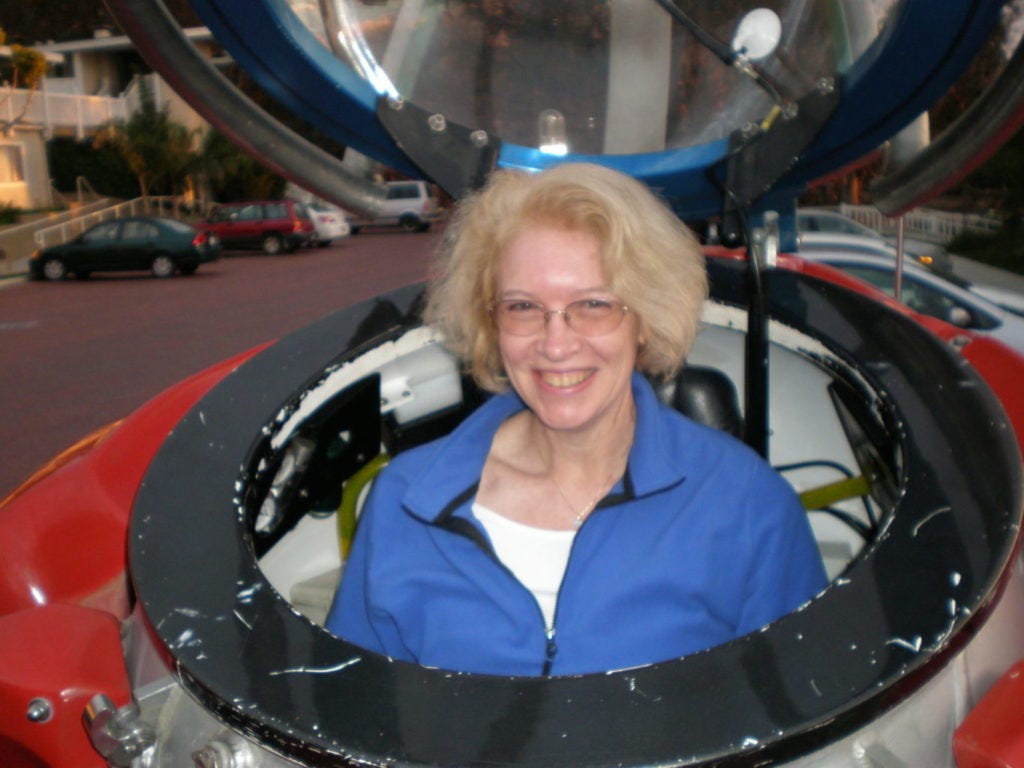
From Shipping Lawyer to Ocean Advocate
She did not start out as an ocean advocate. She started as a shipping lawyer in Manhattan, representing the companies that moved cargo across the sea. She was good at it. She applied to join the Whitehall Club, the admiralty law social club where deals were done and connections made. They turned her down. They did not accept women.
Then she went diving in Palau.
There is a particular kind of conversion that happens when you put your face in warm, clear water and see a coral reef for the first time. The colours do not make sense. The abundance does not make sense. The fact that this world exists, just beneath the surface, while you have been walking around above it your whole life: that does not make sense either.
‘I fell in love with coral reefs,’ she said later. ‘I realised I was more inspired to protect life under the sea than to focus on the business of shipping.’
She quit her job. She took a fellowship at Woods Hole Oceanographic Institution. She started asking a question that would define the rest of her life: how do you use international law to protect something that no one owns?
The Moment Her Focus Locked In
In 2001, she watched footage that changed everything.
Bottom trawlers. Industrial fishing vessels dragging weighted nets across the deep sea floor. The video showed coral gardens that had taken thousands of years to grow being ripped apart in minutes. Cold-water corals, older than cathedrals, reduced to rubble and bycatch.
Most people would watch that and feel despair. Gjerde watched it and felt clarity.
The destruction was not inevitable. It was a legal gap. Something that could be closed if enough people understood the problem and someone was willing to do the tedious, unglamorous work of closing it.
She also understood something most lawyers miss: you do not win with arguments alone.
‘What really captured the eyes and ears of the policy makers,’ she later reflected, ‘were photos and stories about the beauty and fragility of deep-seabed ecosystems, and their vulnerability to heavy trawling gear. Everyone could understand the need to study something before it is destroyed.’
She used science and storytelling together. She made people see.
She got to work.
The Unglamorous Reality
What followed was not the stuff of documentaries. There were no dramatic confrontations. No boats blocking harpoons. No celebrity endorsements.
There was process.
‘We spent many hours in the basements of the United Nations,’ she said, ‘trying to work with governments to make them understand what was going on so far away from land that few of us had ever even imagined that these creatures existed.’
Committee rooms in New York and London. Draft text circulated and redlined. Technical workshops attended by people whose names you will never know. Years of repetition in rooms where attention was scarce and compromise was the only currency. Decades of it.
She co-founded five global coalitions. The Deep Sea Conservation Coalition, to stop bottom trawling. The Global Ocean Biodiversity Initiative, to map the places that needed protection. The Sargasso Sea Alliance, to prove it was possible to protect a high seas ecosystem. The High Seas Alliance, to build political momentum for a treaty. The Deep Ocean Stewardship Initiative, to connect scientists with policymakers.
Five organisations. All still operating. All part of the architecture that made the High Seas Treaty possible.
It was not her original plan.
'I started out thinking that we could address the challenge of conserving ocean life on the high seas and in the deep ocean just by working through existing institutions,' she said in a 2020 interview. 'After spending time seeking to advance conservation issues related to shipping and fishing at the International Maritime Organisation and the UN Food and Agriculture Organisation, I realised that these disparate efforts were not enough to secure comprehensive protection.'
She tried the system, found it broken, and built something new.
She wrote over 200 publications. She helped invent the legal concept of ‘Particularly Sensitive Sea Areas’ at the International Maritime Organisation: a tool that protects fragile waters from shipping damage, still in use today.
She persuaded Norway (once one of the fiercest critics of high seas regulation) to reverse its position and support protections for deep-sea corals. That alone would be a career. For her, it was a side project.
Within three years, from 2003 to 2006, she helped change the paradigm.
‘Instead of “go anywhere, do anything you want,”’ she explained, ‘we actually created a regime that required prior assessment of where you’re going and a duty to prevent significant harm.’
By 2009, almost 100 million square kilometres of seabed had been protected.
Impossible to Outlast
The people who worked with her describe something unusual: a person who was simultaneously relentless and patient. Who understood that changing international law is a game measured in decades, not news cycles. Who showed up to every meeting, knew the text better than anyone else in the room, and never let frustration curdle into cynicism.
Peter Thomson, the UN Secretary-General’s Special Envoy for the Ocean, called her approach ‘calmly reasoned’ and her dedication ‘unwavering’. In the language of diplomacy, that means she was impossible to outlast.
Minna Epps, IUCN’s Global Ocean Policy Director, put it more simply: ‘We have lost a colleague, a mentor and above all a devoted friend.’
People called her the mother of the high seas. She probably found the title embarrassing. She was interested in outcomes, not credit.
The Treaty
The High Seas Treaty was agreed in June 2023. After twenty years of advocacy, negotiation, setbacks, and incremental progress, the United Nations adopted a legally binding agreement to protect marine biodiversity beyond national jurisdiction.
It creates a framework for marine protected areas on the high seas. It requires environmental impact assessments before exploitation can begin. It establishes mechanisms for sharing the benefits of marine genetic resources.
It is not perfect. No treaty ever is. It exists, though, which is more than anyone could say for the previous four decades.
Sixty countries have now ratified it. That was the threshold for entry into force. It crossed the line this year.
January 17th, 2026. Three weeks from now.
Her Final Acts
Gjerde knew she was dying. The diagnosis came before the ratification threshold was reached. She had to watch from a distance as the thing she had spent her life building finally became real.
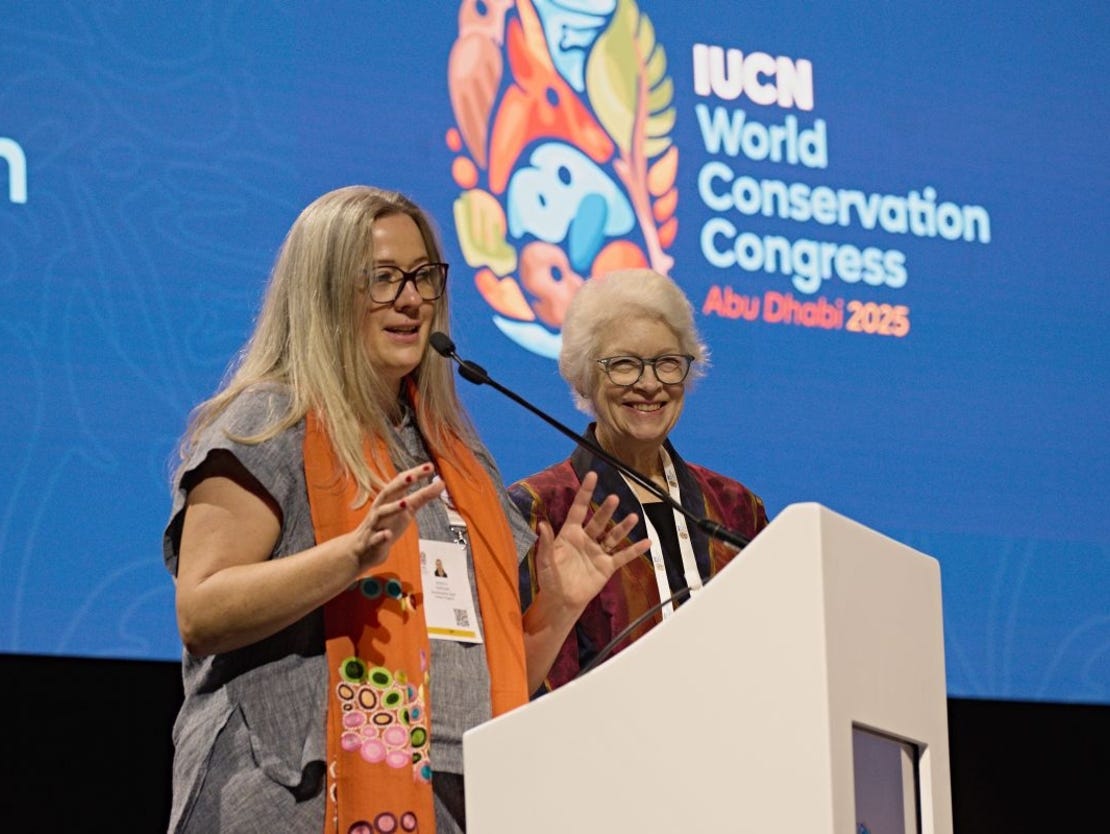
Before she died, she helped establish the Ocean Stewardship Award: a fund to identify and support the next generation of high seas advocates. Her husband and son are on the selection committee. The award is designed to pass on what she knew, the skills, the networks, the understanding that this work is measured in lifetimes, not years.
In 2023, scientists discovered a new species of deep-sea coral and named it after her. Kanak gjerde. A creature from the deep ocean she spent her life trying to protect, carrying her name into the future.
Work That Does Not Trend
I keep thinking about what it means to do work that does not trend.
We live in an era that rewards visibility. The algorithm favours outrage, speed, the loud and the now. The people who get attention are the people who perform attention-worthiness. The people who actually change things (who sit in committee rooms for twenty years, who learn the procedural rules well enough to use them, who build coalitions that outlast news cycles) often die unknown.
Kristina Gjerde spent her career in the gap between what the world notices and what the world needs. She understood that the ocean does not care about your social media following. It cares about the legal text. It cares about whether the fishing moratorium passed. It cares about whether someone showed up to the 47th meeting of the technical working group when everyone else had lost interest.
That work is not glamorous. It is not viral. It will not make you famous.
It is the only work that lasts.
Precaution and Respect
Near the end of her TED talk, Gjerde said something that I think about often:
‘We can avert a tragedy of the commons. We can stop the collision course of 50 percent of the planet with the high seas. We need to think broad-scale. We need to think globally. We need to change how we actually go about managing these resources. We need to get the new paradigm of precaution and respect.’
Precaution and respect. Two words that rarely appear in the same sentence as ‘international law’. She believed they could. She spent her life proving they could.
At the very end, she offered something simpler:
‘It is our home too, and we need to work together if we are to make this a sustainable ocean future for us all.’
The high seas. Our home too.
That idea (that half the planet is a commons, held in trust for all of humanity) is now written into international law. Because one woman decided it should be, and spent her life making it happen.
Remember Her Name
The High Seas Treaty enters into force on January 17th, 2026.
Kristina Gjerde will not be there.
Her fingerprints are on every page.
Kristina Maria Gjerde. 1957–2025.
If you want to support her legacy and help fund the Ocean Stewardship Award, click here.
It not only provides financial support but also mentorship, training, and access to an international network of experienced and committed experts from all disciplines working at the forefront of global ocean conservation.
Beautifully written, Luke. And it is precisely the sort of intentional story that leaves the reader with a sense of agency rather than despair.
Thank you for celebrating this extraordinary woman. What an inspiring story!