


I write about the ocean, wherever there’s a story worth a deeper look.
I came to ocean journalism through an unusual route. I spent two decades working in humanitarian crises and conservation programmes around the world, from Rwandan refugee camps and Gaza to coral reef projects in Madagascar, turtle programmes in the Seychelles, and whale conservation in the Canary Islands and São Tomé.
That work taught me how closely environmental and humanitarian crises are connected. It also left me interested in the gap between what institutions promise and what happens in practice.
Now I run the anti-whaling and captivity campaigns at Whale and Dolphin Conservation. My features and investigations appear in Oceanographic Magazine, and I’ve contributed to BBC Wildlife.
‘You are the voice for the ocean, Luke.’
Saeeda Ahmed, Special Adviser to the President of Somalia
Ocean Rising brings that work together. Here, I report on the decisions shaping the ocean and look closely at the evidence behind the claims being made about its future.
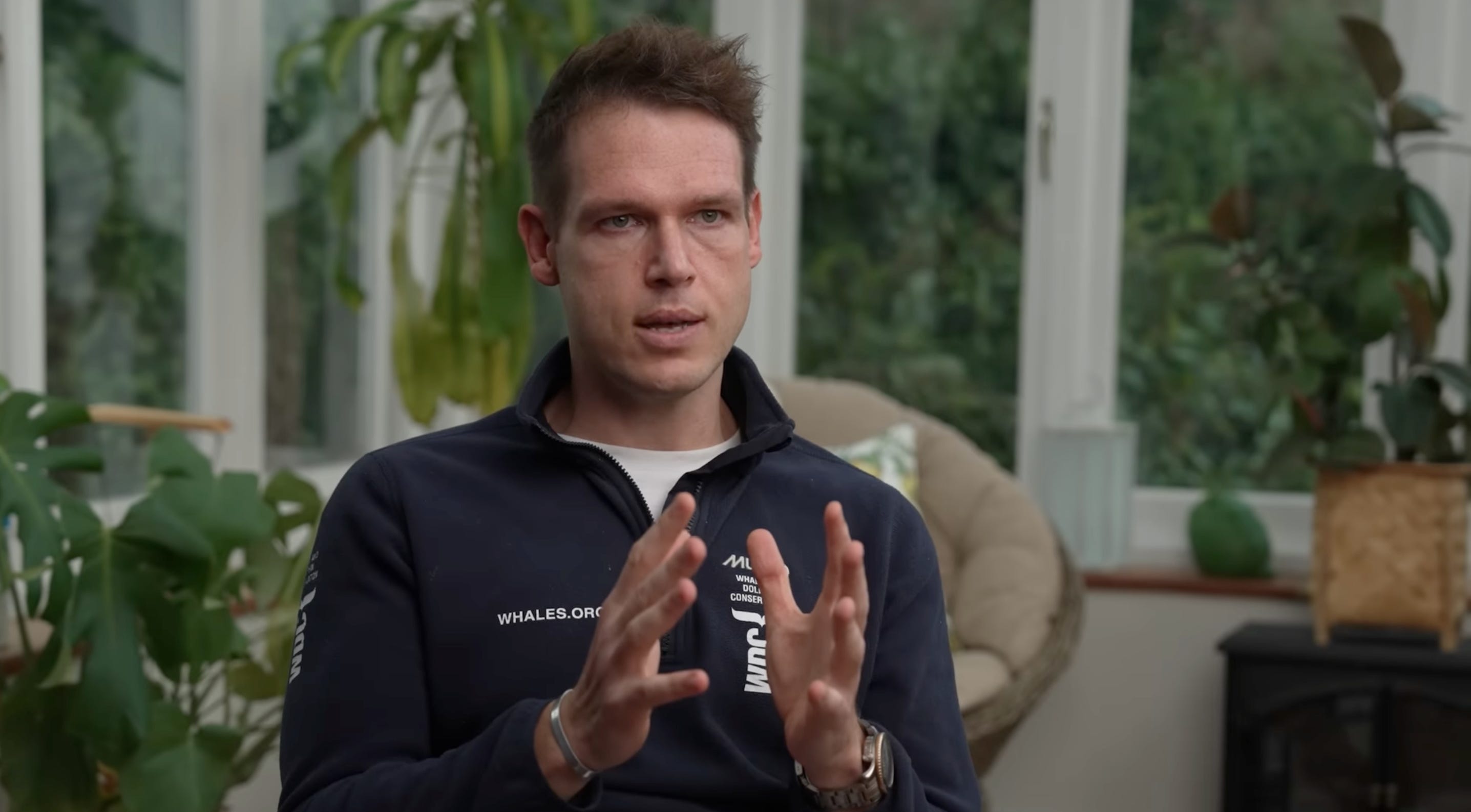
What that looks like
In Papua New Guinea, I obtained a government agency’s preliminary report into a marine crisis. People had stopped fishing and children had stopped swimming. I wanted to understand what the authorities had actually established. The report showed how much remained unresolved, and complicated explanations that were already circulating publicly.
In Albania, I followed the public record behind luxury developments on a protected coast. The famous names were attracting attention. I was interested in how the laws and institutions meant to protect that coast had allowed the developments to proceed.
Explore more of my investigations
Those are the kinds of questions I come back to. What does legal protection mean in practice? What did an investigation establish? And when someone says a decision is supported by science, what does the research actually say?
There’s room for curiosity here too. My wife asking me what El Niño is sent me back to the science and made me reconsider some of my own assumptions. In The Deep Brief, I also follow the recoveries and discoveries that deserve attention.
‘Thank you so much for your work Luke - your piece on Kristina Gjerde is so moving, so informative, so essential.’
Ella McSweeney, journalist
Go deeper with Ocean Rising
Free subscribers get the weekly Deep Brief, breaking news and selected journalism.
Paying readers get access to my paid investigations, longer essays, Between Tides and the full archive of subscriber only journalism.
£60 a year, which works out at £5 a month.
Or subscribe for £7 a month.
I spend a lot of my time doing stories for other magazines, which I always share here with everyone.
Often I write the stories without a commission and then find a place for them because they’re important. Paid subscribers help me do that.
They help pay for the work before there’s a finished article: the time spent reading a report, following up with a source or pursuing a question that might otherwise have to wait.
Some of that journalism appears here. Some finds a home in another magazine and reaches a different audience. I share links here wherever it’s published, so you can follow the work you’re helping support.
If you value this reporting and want me to have more time to do it, becoming a paid subscriber is a direct way to help.
‘It’s like having a smart, honest friend in your inbox who actually gives a sh*t about the future.’
David Vermuelen, paid subscriber
What I want to build
I want to dedicate more time to investigations and have the freedom to pursue more leads. That includes more international reporting, with time to visit the places I’m writing about and speak to the people affected.
Over the next few years, I’d like to add one or two other freelance journalists. There are stories I can’t currently take on, and places where working with a reporter who knows the community and speaks the language would make the reporting better.
The first step is funding more reporting time. That would give me the capacity to follow stories further and return to them after publication. An unanswered question in one article can be the starting point for the next.
Paid subscriptions help sustain this work. Philanthropic funding could help me expand it.
If you’re interested in supporting Ocean Rising through a grant or a larger contribution, get in touch. I’d be glad to discuss the reporting I want to pursue and what funding would make possible.
How I approach the reporting
My background in conservation shapes the questions I ask. The evidence has to determine the answers, including when it changes my understanding of a story.
My editorial standards explain how I handle sources, scientific uncertainty, corrections and conflicts of interest, including relevant professional and financial relationships.
Founding membership
£150 a year
If you’d like to give Ocean Rising more support, you can become a founding member.
You’ll get everything included in a paid subscription, plus quarterly briefings on investigations in progress. You’ll have an early look at major articles and can suggest questions for me to put to regulators and officials.
Founding membership renews annually. If you joined under an earlier lifetime offer, your lifetime access continues.
‘Thank you for Ocean Rising. Thank you for all you have done and will do. Becoming a Founding Member was an easy choice.’
Richard Hixson, Founding Member
Student or facing hard times? Email me. I keep a few complimentary subscriptions for people who need them.
You can find more about my background and published journalism at lukemcmillan.co.uk.
4,800+ subscribers. 125+ countries.
Thanks for being here.
Luke
