


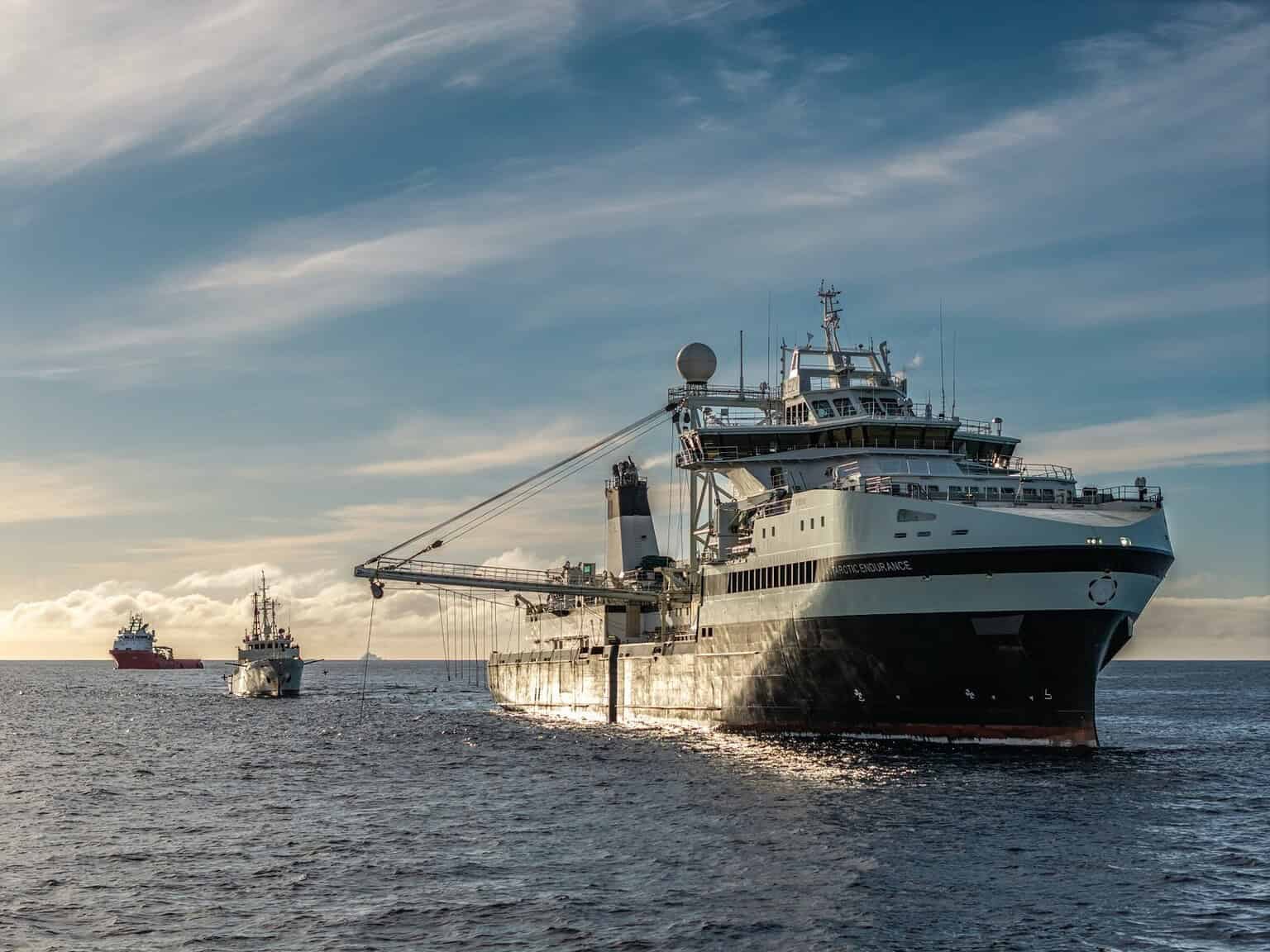
The Antarctic krill fishery has hit its 620,000 tonne trigger two years running. On Monday, CCAMLR’s 27 members begin two weeks of talks in Hobart, including on a replacement system that could allow a much larger fishery around the Antarctic Peninsula.
In January 2022, scientists aboard the National Geographic Endurance were off the South Orkney Islands when they came across hundreds of fin whales feeding on krill. They estimated at least 830, and possibly more than 1,100. Four commercial krill trawlers were fishing among them.
I spend a lot of my working life thinking about whales, so there’s something quite strange about that scene. Fin whales were nearly hunted to extinction during the twentieth century, yet here were hundreds of them back in Antarctic waters feeding together again, with fishing vessels working in the same water, competing for the thing the whales had travelled all that way to eat.
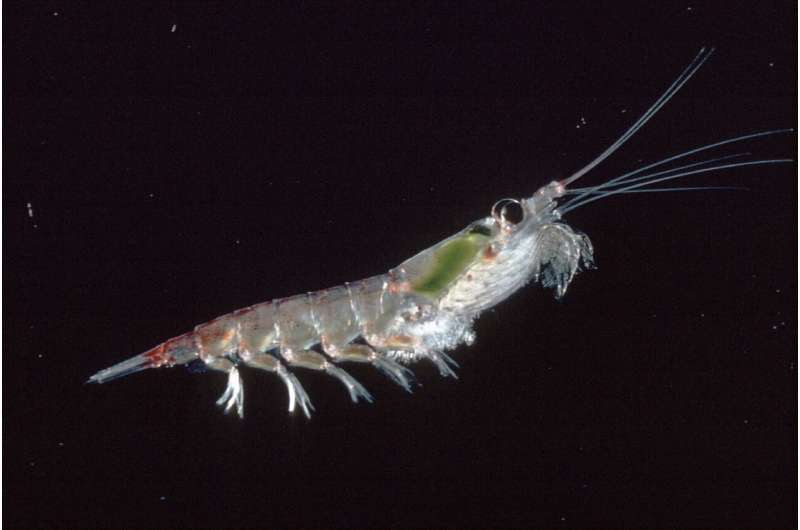
At first this sounds like quite a niche fishery story, but then you dive deeper and you’ve got krill near the base of one of the most interesting ecosystems on the planet.
Then you’ve got industry trying to catch it to produce supplements, pet food, salmon feed, that sort of stuff, and then you’ve got international politics, where they’re actually deciding how much to catch.
So there are really two things we need to consider: who’s catching the krill and who’s making the decisions.
