


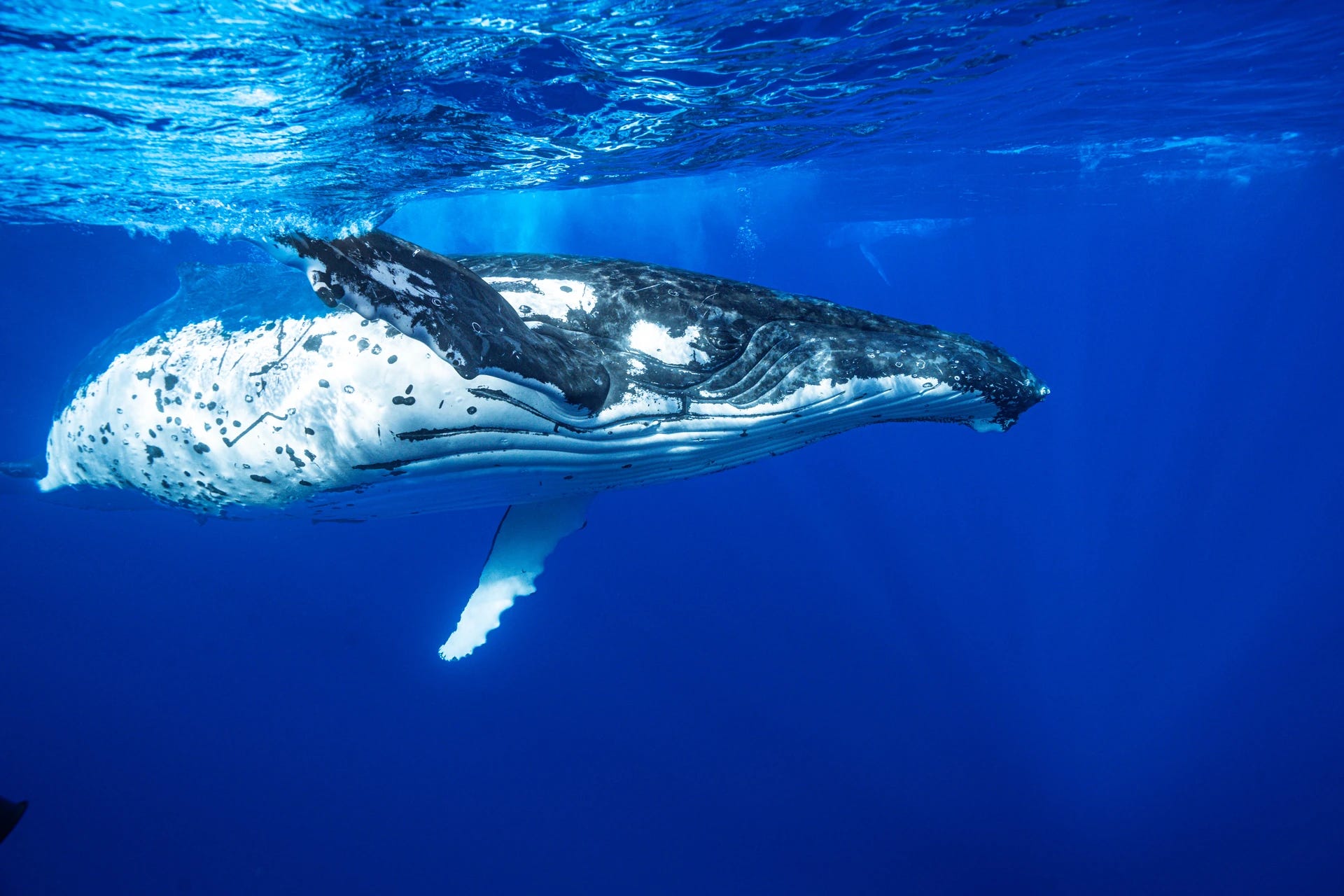
Last summer, I wrote about a Tongan proposal to give whales legal rights and remember feeling hopeful about it. With the International Whaling Commission meeting again in Hobart in September, I went back to see what happened. The campaign is still active and the Tongan model is open for feedback, but it is not an active government bill.
I remember feeling hopeful when I first wrote about this.
It was partly the idea itself. The Indigenous leaders and communities behind it have relationships with whales that go back generations. The proposal was trying to turn some of that relationship into something the law could actually recognise. Instead of another campaign asking governments to protect whales better, this was asking whether whales could have legal rights of their own. The people behind the current consultation describe whales as kin and fellow voyagers across the Pacific.
I thought it was clever. It was also quite different from most of the whale protection work I had spent years looking at.
What I remember most from last summer is Princess Angelika Lātūfuipeka Tukuʻaho and the passion behind what she was saying. Speaking in Nice in June 2025, she called for whales to be recognised “not merely as resources but as sentient beings with inherent rights”.
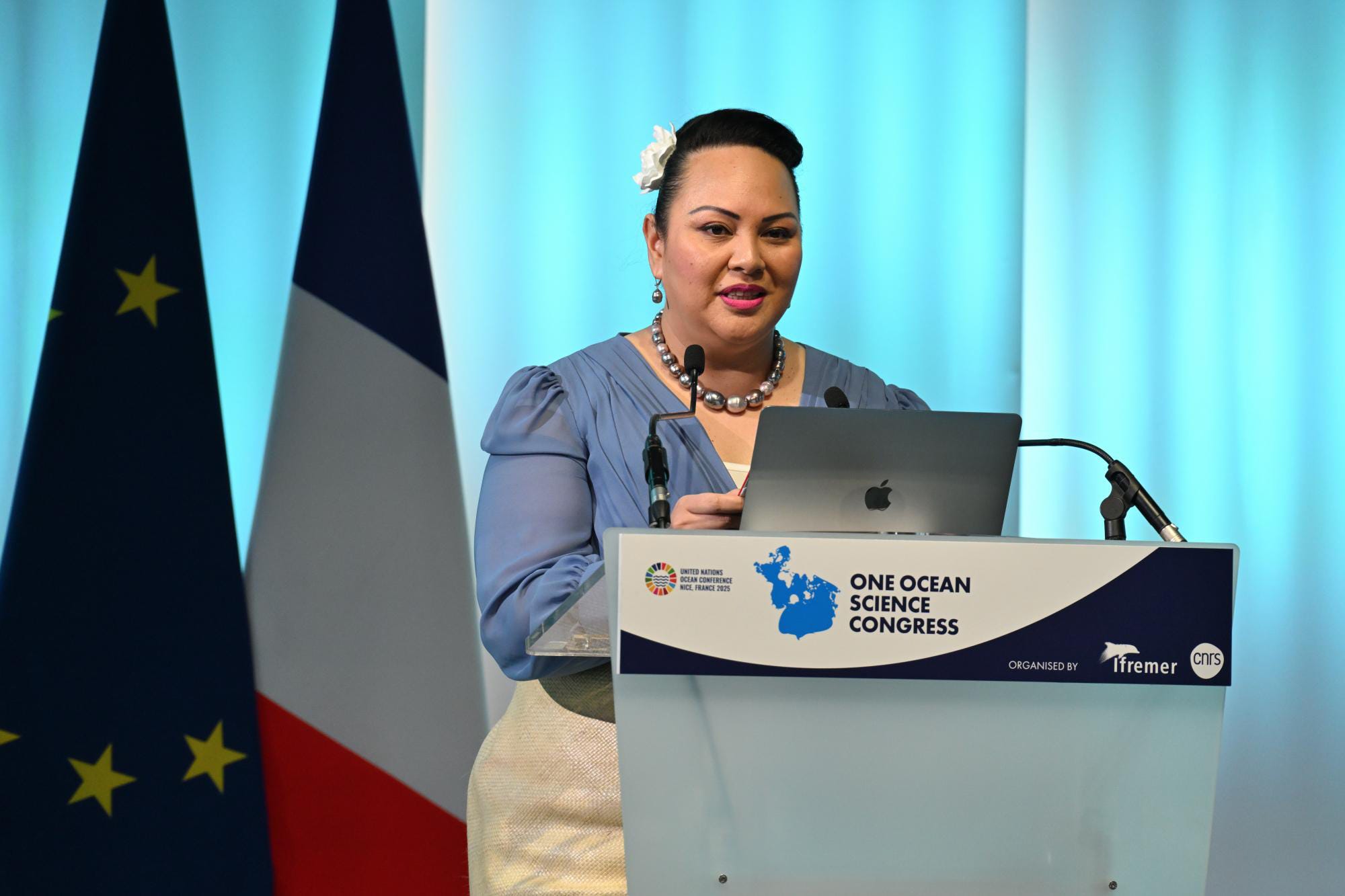
The Huelo Matamoana Trust was working with legal experts on the Whales (Legal Personhood and Protection) Act 2025. According to Melino Maka, the trust’s chair, the proposed law would recognise whales as legal persons, give them rights including life, migration and a healthy habitat, and create a guardianship system that could represent their interests in legal proceedings.
Once the draft had been refined, he expected it to be formally introduced into Tonga’s Parliament.
There are plenty of declarations, petitions and promises in conservation. This sounded like it might actually become law.
So, what happened to it?
The question came back into my head recently because we have been talking about the next IWC meeting it in the office, and the arguments governments are going to bring with them, and somewhere in the middle of all that I remembered Tonga.
More than a year had passed. The humpbacks were back in Tongan waters. Had the personhood proposal ever made it to Parliament?
There is already strong legal protection for whales from direct harm in Tonga. The IWC records that King Taufa’ahau Tupou IV banned whaling by royal decree in 1978. The following year Parliament amended the Whaling Industry Act so that the wounding, capture, taking or killing of whales of any species was prohibited unless approved by the Privy Council.
The rules in force today go further in some respects. Regulation 16 of Tonga’s Fisheries Management (Conservation) Regulations says nobody may fish for, harm or interfere with a marine mammal in Tongan fisheries waters. Whales and dolphins are explicitly included. Limited written authorisation is possible only in exceptional circumstances for international scientific research intended to benefit marine mammals without harming the species.
The personhood idea was trying to add something different. Rather than only controlling what humans are allowed to do to whales, it would recognise rights held by the whales themselves and create bodies able to represent those interests.
The wider campaign never disappeared. In fact, it was already bigger than Tonga when I first wrote about it. On 20 November 2024, the Pacific Whale Fund, Simmons & Simmons and Ocean Vision Legal launched Te Mana o Te Tohorā, proposed model legislation designed to give governments a route towards recognising whale personhood in their own laws.
The idea remains active elsewhere too. In February this year, Green MP Teanau Tuiono lodged the Tohorā Oranga Bill in New Zealand, a proposed member’s bill, put forward by an individual MP rather than the government, that would recognise inherent rights for whales there.
The Tongan part is where things get more complicated.
On 12 June this year, the Moananui Sanctuary Trust released two model legal frameworks for public consultation. One is the Mafai ‘o e Tofua’a Climate Bill for Tonga. The other is a French Polynesian version of Te Mana o Te Tohorā. The Trust says the drafts were developed over two years with Ocean Vision Legal and Simmons & Simmons, alongside local community leaders, and that the initiative is supported by a petition signed by more than 450,000 people.
People can already read the Tongan text and respond to it. The Moananui Sanctuary website now has a “Make a Submission” link alongside the Mafai ‘o e Tofua’a proposal.
The documents themselves are “not active government bills, but models” designed to invite feedback. That is different from what I wrote about last summer.
In June 2025, Maka said he expected a Tongan draft Act to be formally introduced into Parliament once it had been refined. In June 2026, the campaign released the Tongan framework as a model for public consultation and said itself that it is not an active government bill.
I cannot tell from the published record whether the Mafai ‘o e Tofua’a framework is a rewritten version of the 2025 Act, a replacement for it or a separate strand of the wider campaign. I don’t think it is responsible to guess. What we can see is that the public status being described today is different from the parliamentary expectation Maka described a year ago.
That does not mean the idea has gone away. Clearly it hasn’t. The regional campaign remains active, the legal work is continuing and people can submit comments on the Tongan model right now.
What Tonga does not yet have is a published date for the consultation events the campaign said would happen there.
The 12 June announcement gave dates for consultations in Papeete, Moorea, Huahine, Raiatea, Bora Bora and Maupiti during the Āvei Moana expedition, a voyage carrying the campaign across the Pacific. For Tonga, it simply said the dates would be released soon.
I searched again on 10 August across the campaign’s website, Ocean Vision Legal, Tonga’s Parliament news, Matangi Tonga, Kaniva Tonga, Tonga Independent and published material from the Āvei Moana expedition, and found no subsequently published date for those events.
There are signs the community work is continuing. Ocean Vision Legal, one of the campaign’s legal partners, wrote in June that collaborators were developing community consultation, storytelling and education alongside any future legal reforms. None of that material gives dates for the Tongan events.
That is where the story sits now.
I still think the original idea is clever. There is something powerful about Indigenous leaders and communities with long relationships with whales trying to give those relationships legal force. The work has moved on since last summer, and the fact that there is now a model people can actually read and respond to is meaningful progress.
The difficult bit comes next. If the rights in that model are going to become enforceable in Tonga, at some point the model still has to make the jump into law.
The campaign said Tonga's dates would come soon. That was two months ago. The whales are there now.
Paid subscribers fund the reporting that tracks what is changing in the ocean and why. If you’d like to support this work, please do upgrade to a paid subscription today.
Personhood is a fascinating concept. One despairs though when you think that human persons are displaced and killed. Despite extensive legal protections globally, genocide is still happening.
Seems it should be us who apply for whalehood. Why diminish whales to mere personhood.