


I’ve been quiet on Substack for a few weeks. This is why.
A 4,000-word Special Feature on deep-sea mining is out this week in Oceanographic Magazine, commissioned by the Charles Douglas-Home Memorial Trust. It is one of the deepest pieces of reporting I have done. It examines the science, the governance, the economics, and the company at the centre of the most advanced attempt to mine the deep ocean, a Canadian-listed firm called The Metals Company.
If you’ve subscribed to this Substack and wondered where I went, this was where. The piece took months. Document review, interviews, legal reads, fact-checks. The kind of reporting that does not produce a steady stream of posts, because the work is invisible.
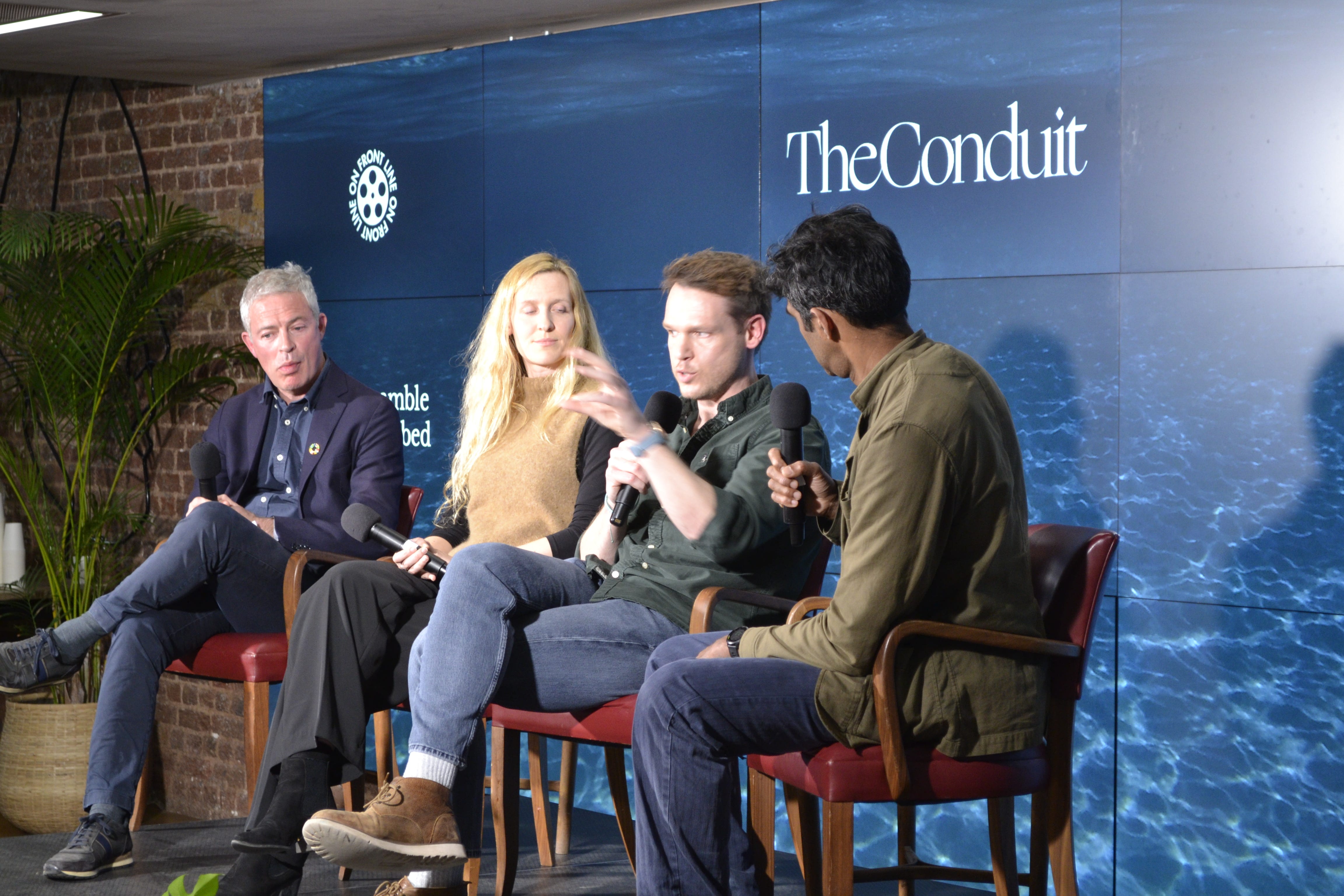
The week before the article published, I sat on a panel at The Conduit Club in London alongside Louisa Casson, who leads Greenpeace’s global anti-deep-sea-mining campaign, and Oliver Steeds OBE, founder of Nekton and director of the UN’s Ocean Census. The event was called The Scramble for the Seabed. The room was full. It was chaired by Jeevan Vasagar, climate editor of The Observer.
The Metals Company was invited.
They sent a video message in their place.
In it, an unnamed company spokesperson argued that what deep-sea mining would do to the seabed should not be called habitat destruction. The correct word, they said, was modification. The video also disputed the idea that sediment plumes would significantly affect untouched areas of the seabed. Both claims are contested by the peer-reviewed science I examine in the Oceanographic piece.
The panel watched the video. Then we took our seats. There was no one in the room to defend the position the video had just put forward.
That, in itself, is part of the story. The most advanced commercial attempt to mine the deep ocean is being made by a company that, when offered a serious public forum to argue its case, declined to send a person.
Recycling came up early. I had raised it briefly; Louisa Casson made the case in detail. The metals we need for the energy transition are largely already above ground, in old phones, batteries, cars. The systems to recover them at scale do not yet fully exist. We are reaching for the deep sea before we have built the alternatives to it.
Later, an audience member working in green energy asked the question I had been dreading. He was not attacking the panel. He was genuinely uncertain.
What’s the balance? We can debate whether deep-sea mining is good or bad. But we are heading in a direction where it almost feels inevitable. So, do we allow it and govern it carefully? Or do we say no, and slow the transition away from fossil fuels?
I took it first.
What I said, more or less, was this. We are at a real moment of transition, and the world does need metals to power it. But people have zeroed in on deep-sea mining as the only alternative to terrestrial mining, and that framing is largely driven by the financial interests of the companies that want to mine. We need to know for sure the damage this will produce before we can press go or say no. Science has to win out.
That was the answer. It was not the cleanest, but it was honest.
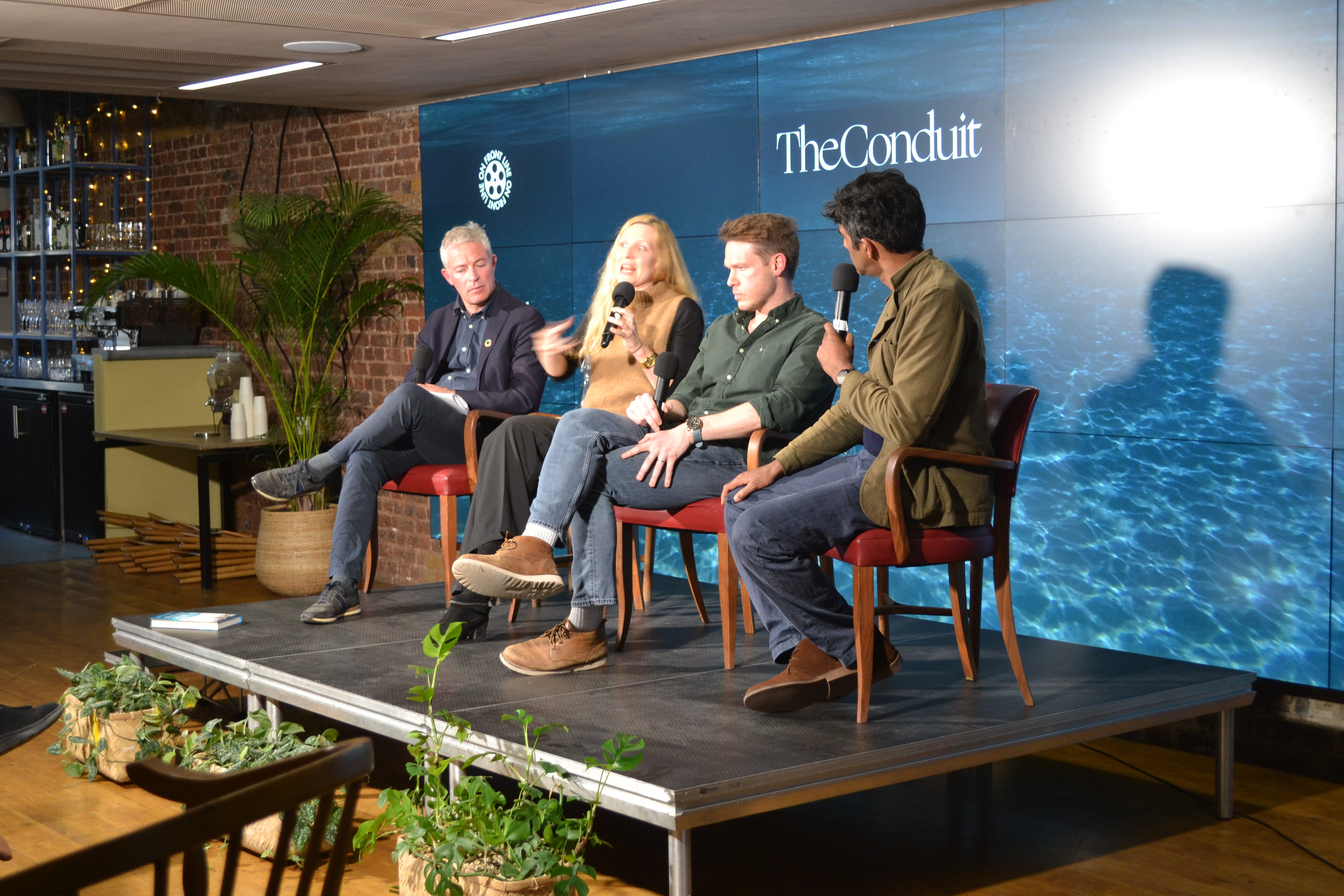
The strongest line of the night was Casson’s.
“The idea of mining the deep sea is like burning a library when you haven’t even finished reading the first book.”
Ninety per cent of the species being found in the Clarion-Clipperton Zone, the patch of Pacific seabed at the centre of the mining race, are new to science. We do not yet know what we would be losing.
Oliver Steeds put the financial case in similar terms. The economics of deep-sea mining, he argued, do not add up before you even consider the environmental costs. Major mining companies have pulled out. Lockheed Martin has divested. A previous attempt in Papua New Guinea collapsed and left the government as a creditor with no recovery mechanism. The Norwegian government opened the Arctic seabed to exploration in January 2024, then halted its licensing programme until at least 2029.
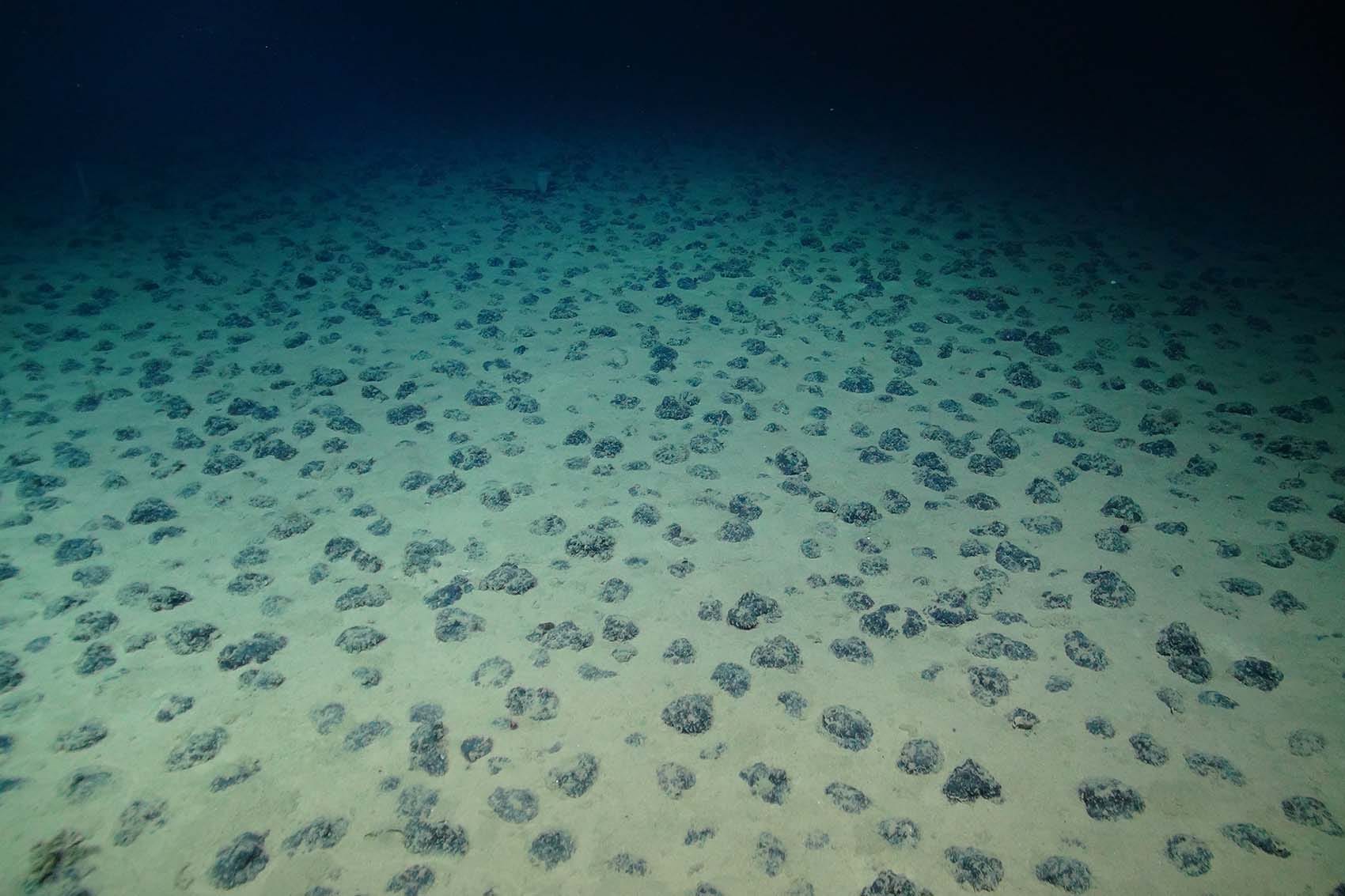
The article goes deeper than I can here. The 1980 US law The Metals Company is filing under, which the International Seabed Authority says has no authority over the international seabed. The unfinished rulebook fifteen years in the making. The 44-year-old machine tracks still visible on the abyssal plain from a 1979 test. The food web disruption that could carry mining sediment into the depth band where mercury enters the human food chain. The science being funded, in significant part, by the companies that want to do the mining.
And the question the panel could not resolve, because the world has not resolved it yet.
Commissions like this one, from the Charles Douglas-Home Memorial Trust, are rare, and they make ambitious reporting possible. But the work between commissions is what your subscriptions support: the calls that go nowhere, the documents that do not pan out, the months when nothing is publishable. The CDHMT funding bought the time to write the article. Your subscriptions buy the time to find the next one.
Thank you for sticking around.
Reporter’s note: Research support was provided by Blue Marine Foundation, which has publicly supported a precautionary pause on deep-sea mining. The article was researched and written independently. Blue Marine had no editorial control over its findings or conclusions. The Conduit panel referenced above was held on Tuesday 21 April 2026 in collaboration with Pranvera Shema Smith, founder of On Front Line, and chaired by Jeevan Vasagar, climate editor of The Observer. Luke McMillan is Head of Hunting & Captivity at Whale and Dolphin Conservation. The views in this post are his own and do not represent WDC’s institutional position.
The burning library line is wonderful. If I use it, I will credit Casson.
If this is where we're at, I hope we don't stay here. I'd like to see science win out over greed; however, the fact that President Trump just fired 20 scientists speaks volumes.