


In early March, I was added to a WhatsApp group of 300 scientists, journalists, and campaigners trying to work out what was killing the ocean in Papua New Guinea. I watched. I waited. I wanted to know what the government actually found, not what the campaign said they found. I got hold of the report. What it contains is not what the PNG government's public statements suggested. And when I put it to the palm oil corporation identified as a potential contributor, their answers raised more questions than they resolved.
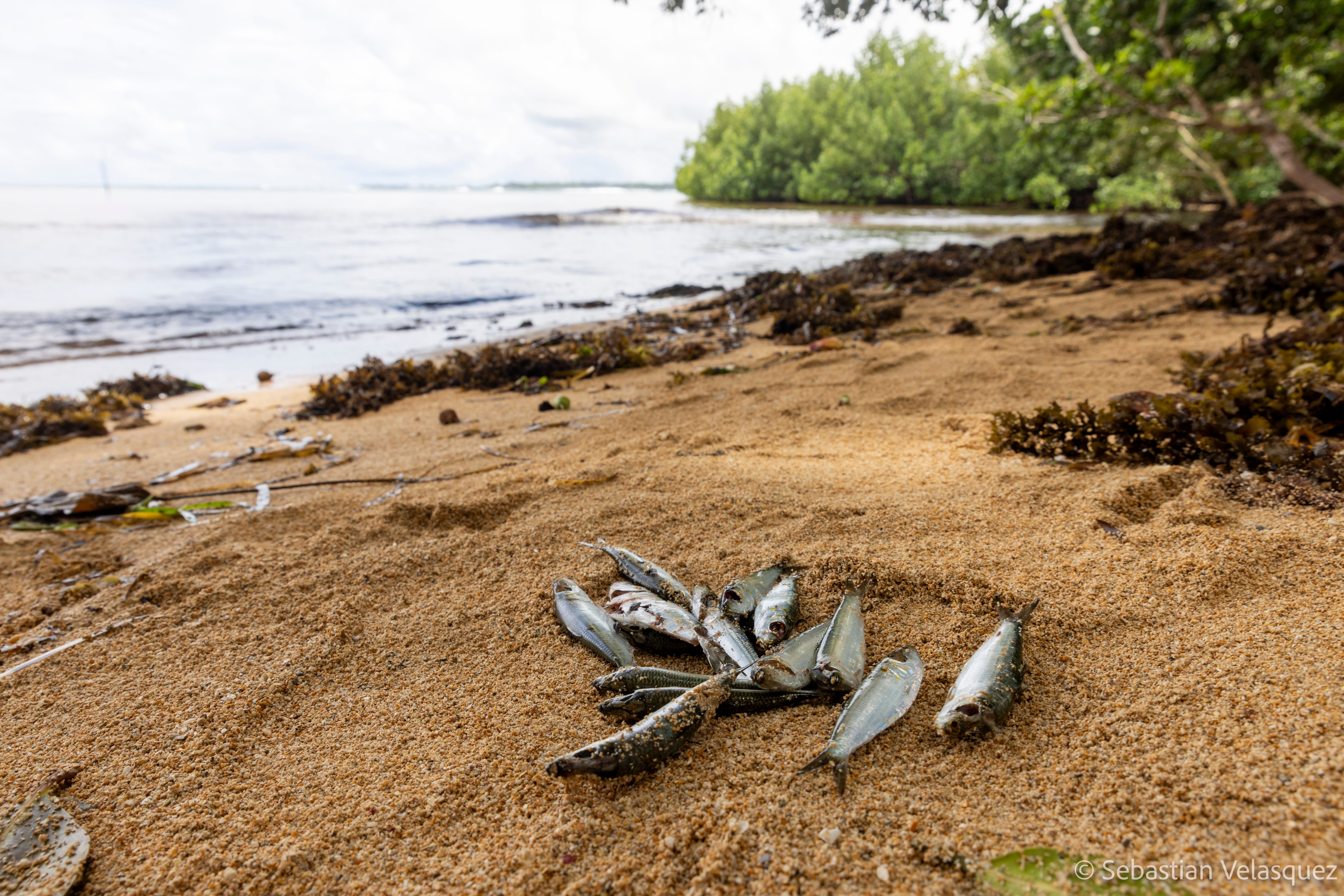
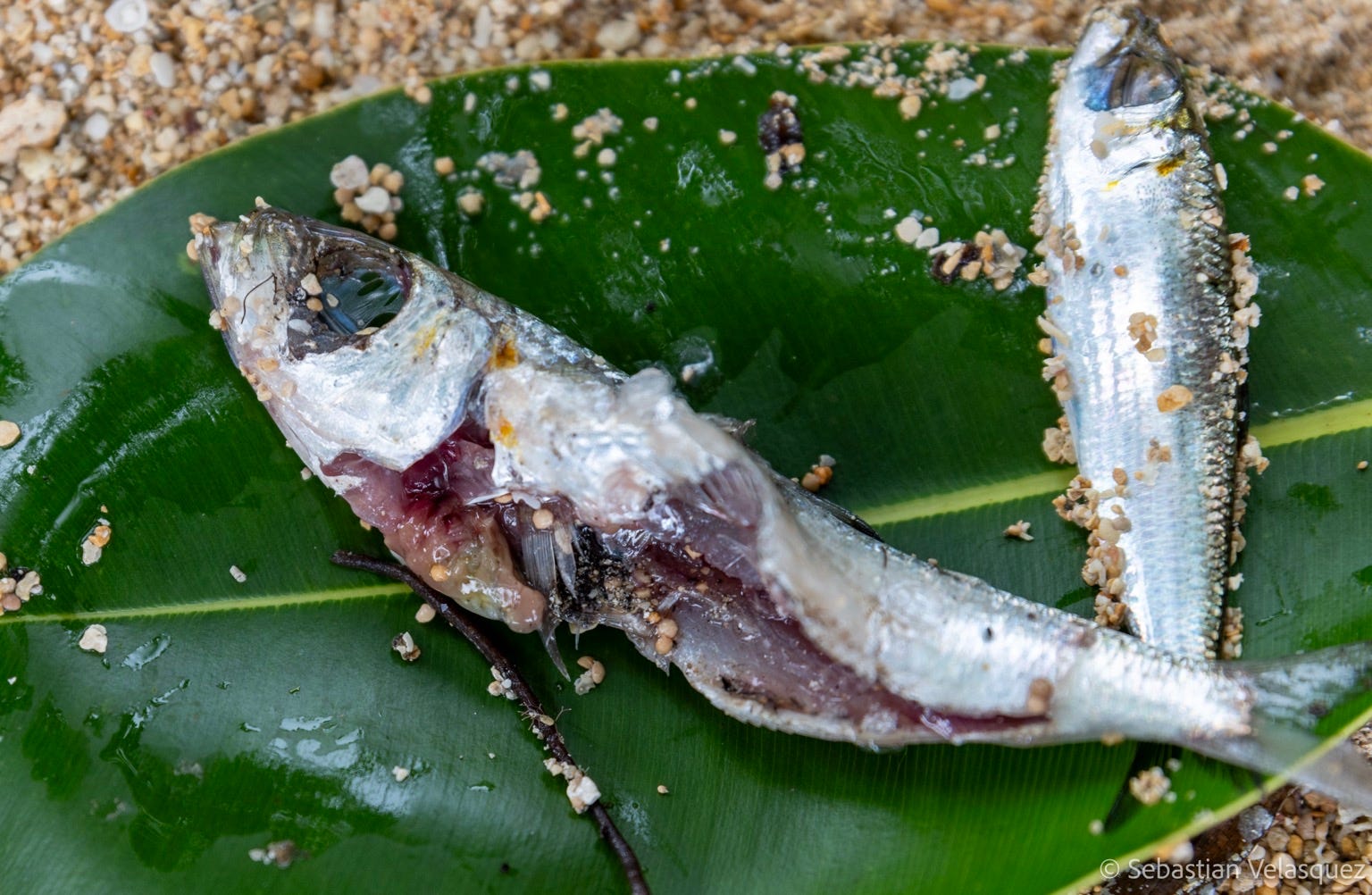
On 11 December 2025, fish began dying in Larairu Lagoon, Kafkaf Village, on the east coast of New Ireland Province, Papua New Guinea. Within weeks, the die-offs had spread north along the Boluminski Highway coast. Community monitors documented 3,451 dead marine organisms across more than 15 species. Hundreds of residents reported skin burns and respiratory symptoms after contact with seawater. Families stopped fishing. Children stopped swimming.
Five months later, no government agency has confirmed what caused it.
The Guardian reported on the ongoing crisis this month. AFP, Mongabay, and Inside Climate News have covered the community dimension since March. What drew me was not that story. Other outlets were already covering it. It was a governance question nobody was pursuing: what did the PNG government actually find when it investigated, what does it admit it cannot determine, and what has it not yet done?
Ocean Rising has reviewed a preliminary report produced by the Conservation and Environment Protection Authority (CEPA) in April 2026, covering field investigations conducted in February. The findings are more troubling than the government’s public statements have suggested. Not a confirmed cause, but a clear picture of how far the investigation has to go.

What CEPA Found
The report was prepared by a small technical team that travelled to New Ireland, collected samples under difficult conditions, and produced an assessment they knew was insufficient before they filed it. That is not an indictment of the individuals involved. It is an indictment of what they were resourced to do.
The preliminary report documents clear environmental stress across multiple sites along the East Coast. Freshwater systems showed extreme turbidity, dangerously low dissolved oxygen, and nutrient levels far above acceptable thresholds. At Ladaim Creek, biological oxygen demand was recorded at 342 mg/L against a standard of 5 mg/L, indicating severe organic pollution and oxygen depletion. Ammonia levels at the same site exceeded safe limits by a factor of more than twenty. These findings are consistent with significant nutrient enrichment from land-based sources.
The ocean itself told a more complicated story. At Banatalis, near Kafkaf Village, seawater samples came back unusually acidic. Further along the coast, at sites near Laxunaru, the opposite was true: water so alkaline it was outside the normal range for any healthy marine environment. The explanation for that anomaly was natural gas vents in the reef system, which were documented and sampled by the investigation team. Seawater, in other words, was being chemically altered from below as well as from above. The report identifies a combination of factors: nutrient pollution from land, abnormal water chemistry from the vents, and possible bacterial contamination.
Fish tissue results, tested against Codex Alimentarius and US FDA standards, showed mercury and lead below detection limits across all nine samples. The report states clearly that heavy metal accumulation in fish tissue does not support heavy metals as the primary cause of the fish kills. For those who have been following the story, this significantly weakens the industrial mining contamination hypothesis that circulated from March.
The most likely explanation, according to CEPA’s own assessment, is a multi-stressor event driven primarily by degraded water quality: sediment loading, organic pollution, low dissolved oxygen, and possible vent-associated contamination, all exacerbated by exceptionally heavy rainfall in December 2025 and February 2026.
Oil palm agricultural runoff is specifically identified as a potential contributing factor. Poliamba Limited, the major oil palm operator in northern New Ireland, owns and manages estates along both the eastern and western coasts of the province. The operation was acquired by SD Guthrie Berhad, formerly Sime Darby Plantation, in 2015. What that means in practice, and what a separate university analysis found about the potential pathways between those plantations and the affected coastline, is examined below.
While the government’s investigation has stalled, community monitoring has continued. Independent scientists working with Ailan Awareness, the local marine conservation organisation that has led documentation efforts since December, conducted a further round of pH sampling across thirteen ocean sites in late April. Their readings, all below pH 9, raised questions about the reliability of some early government data, which had recorded alkalinity levels of pH 12 to 13. The community, in other words, is still doing science that the state has not completed.
What follows is the finding that no other outlet has reported, and the written record of a corporation that was asked specific questions and chose not to answer them.
