


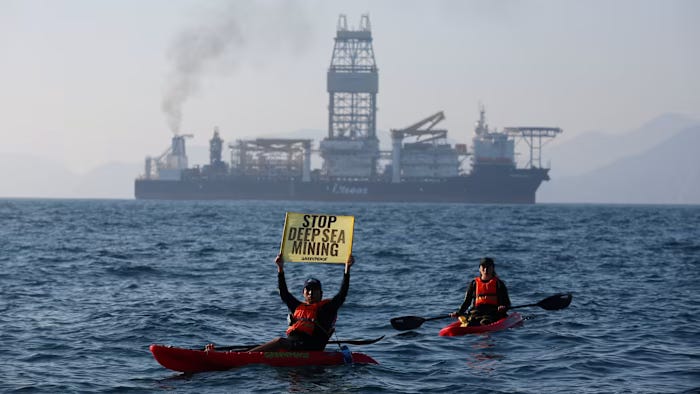
The International Seabed Authority approved a five year extension of NORI’s deep sea exploration contract while its inquiry into the contractor’s possible non compliance remained unresolved, days after an international tribunal ordered fair treatment in both procedures.
In the spring, I wrote a special feature for Oceanographic Magazine about deep sea mining. It ended with a date. NORI’s exploration contract, the one behind Nauru’s 2021 decision to trigger a two year countdown for the mining rules, was due to expire in late July 2026. I wrote that whatever happened next would happen fast.
It did. Over one weekend, an international tribunal ordered the regulator to give NORI a fair process. Two days later, the ISA Council approved a five year extension of the contract.
The short version
A company called NORI holds a contract from the International Seabed Authority (ISA) to explore part of the deep Pacific seabed. The contract lets it map the area, collect samples and test equipment. It does not let the company begin commercial mining.
While the ISA was still trying to write the rules for deep sea mining, another subsidiary of The Metals Company, TMC USA, applied to the United States for two exploration licences under a separate American legal system. NORI, a different subsidiary in the same corporate group, continued to hold its ISA exploration contract.
The ISA then opened an inquiry into whether NORI was still meeting the terms of its existing contract.
NORI challenged that inquiry in an international court. The judges refused to stop it, but told the ISA to make its questions clearer and give NORI a fair chance to answer them.
Two days later, with the inquiry still unfinished, the ISA Council approved another five years for NORI’s exploration contract.
Every step could be defended by reference to a rulebook. The Chamber ordered safeguards for the rights NORI claimed. The inquiry remained open. The Commission assessed the extension under the ISA’s existing procedures and recommended approval. The result was that the Council approved another five years for a contractor whose possible non compliance remained unresolved.
Hamburg, Saturday
On Saturday 18 July 2026, judges in Hamburg delivered an order in a legal fight over the deep Pacific seabed.
The judges sit on a panel called the Seabed Disputes Chamber, part of the International Tribunal for the Law of the Sea, the court that settles arguments under the UN treaty governing the oceans. The Chamber exists to resolve legal disputes about the seabed beyond any country’s waters.
In thirty years, nobody had brought it a case between two opposing sides. In June this year, two arrived, both filed by subsidiaries of the same company.
On one side of Case No. 34 was Nauru Ocean Resources Inc., known as NORI, the company holding the exploration contract at the centre of the case. NORI is owned by The Metals Company, a Canadian business pursuing a commercial effort to mine polymetallic nodules from the deep seabed.
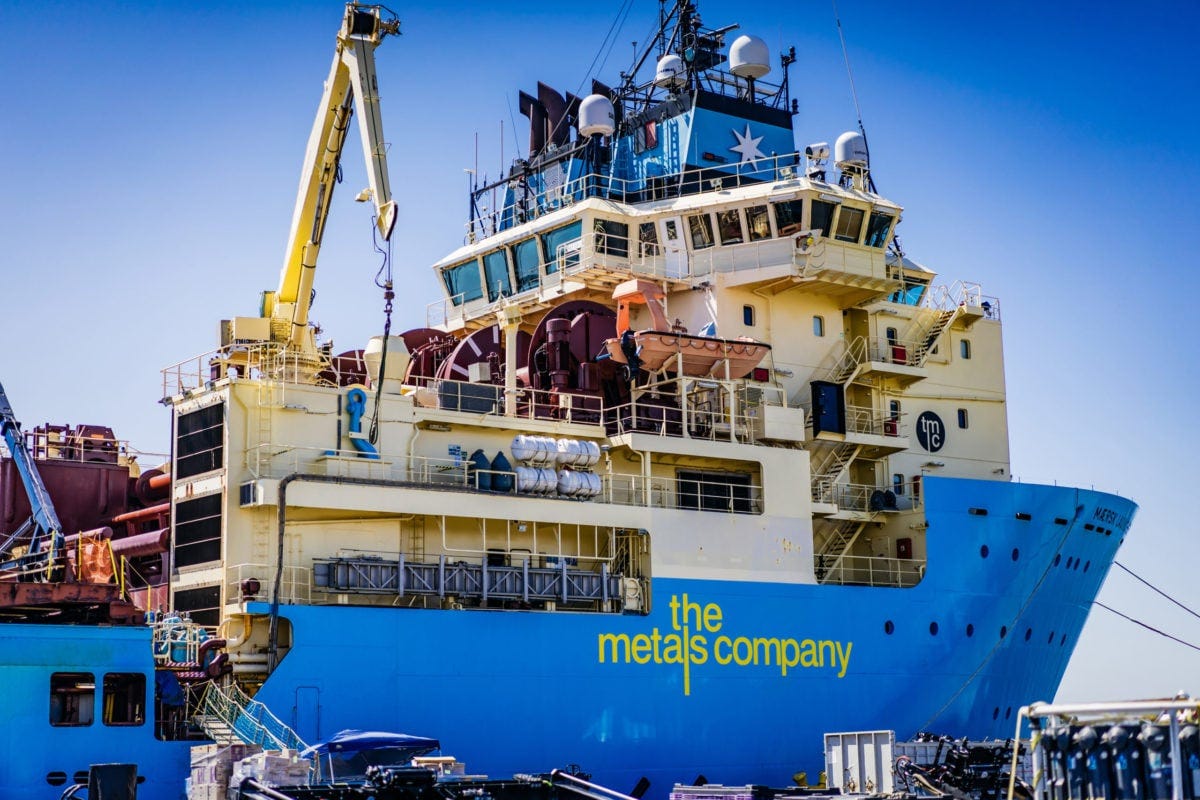
The Pacific island state of Nauru sponsors NORI under the treaty because a company can hold a seabed contract only with the backing of a state.
On the other side was the International Seabed Authority, or ISA, the organisation of 172 members that governs mining on the seabed beyond national waters.
NORI has held an exploration contract with the ISA since 22 July 2011. The contract allows it to map an area, collect samples and test its machines. It does not authorise commercial mining.
NORI wanted the judges to intervene before the full case was heard. It asked for six provisional measures, the emergency orders a court can issue to protect one side’s rights while a dispute is still running.
The biggest would have suspended the ISA’s inquiry into whether NORI had kept to the terms of its contract. The Chamber refused.
What it ordered instead was about fairness. The ISA must give NORI due process, which means the company must be able to understand the questions it is being asked and have a proper chance to answer them.
In the days that followed, both sides presented the order as supporting their position.
What is at stake
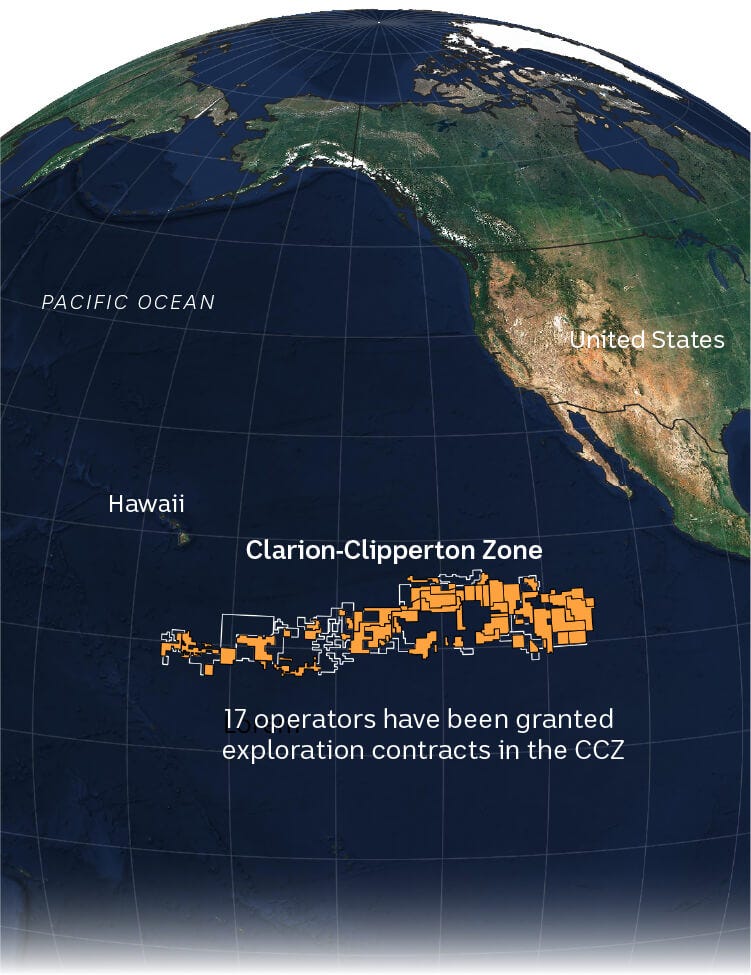
NORI’s contract covers an area of the Clarion Clipperton Zone, a vast stretch of deep Pacific seabed between Hawaii and Mexico.
The zone contains polymetallic nodules, potato sized rocks that form over millions of years and hold nickel, cobalt, manganese and copper. The nodules are also part of the habitat. Most of the seabed there is soft mud, and they provide rare hard surfaces on which animals such as sponges and corals can grow.
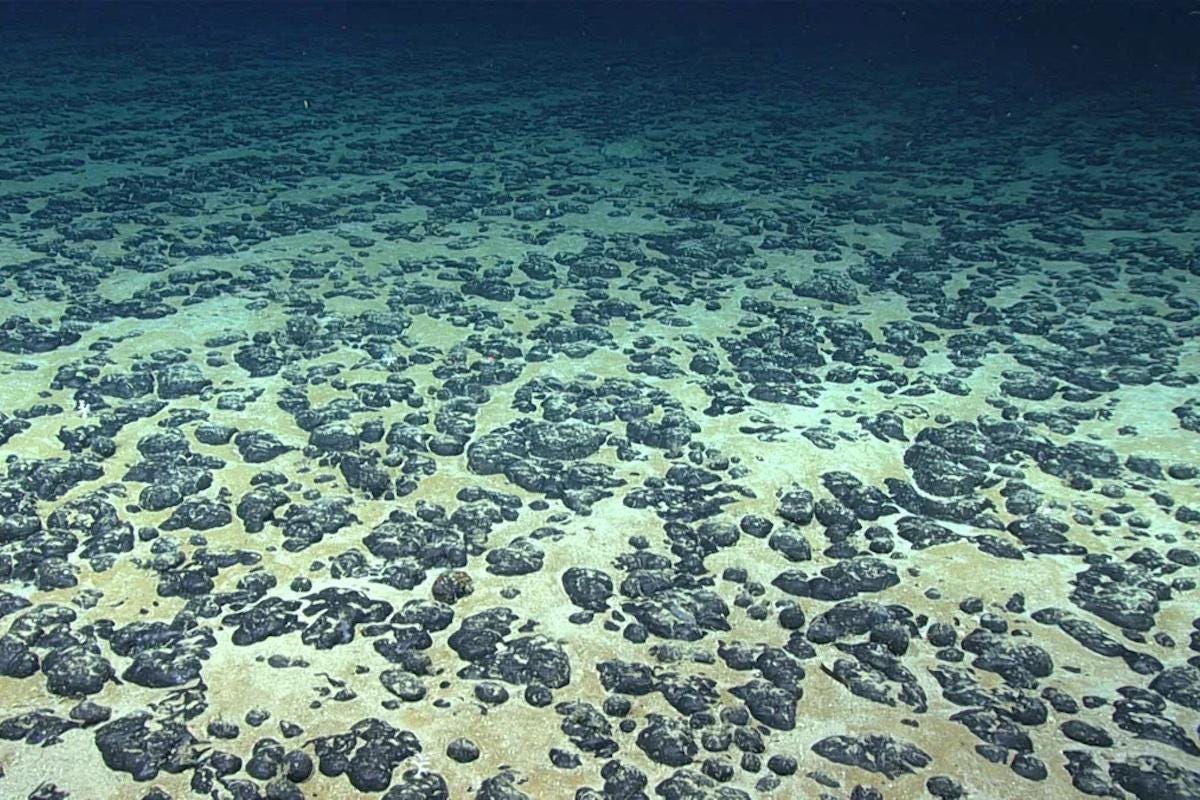
Thousands of species have been recorded in the zone, many of them new to science.
No commercial deep sea mining has taken place there. The rules that would govern it, known collectively as the Mining Code, have been under negotiation since 2011 and remain unfinished.
The ISA is required to organise access to the seabed while protecting the marine environment and ensuring that developing countries share in any future benefits.
Specialist legal publications covered the tribunal’s ruling. The contract decision that followed received far less attention. Ocean Rising assembled the sequence from the Chamber’s order and press summary, the ISA’s statements and session documents, The Metals Company’s filings, and the independent daily record of the negotiations kept by the Earth Negotiations Bulletin.
How the fight started
The story runs on two tracks. One is about whether NORI broke the rules. The other is about whether its contract should be renewed. The same institution was handling both at once.
The first track began on 21 July 2025, when the ISA Council, its 36 member executive body, asked the Secretary General to seek more information from companies that might not be meeting their contract obligations.
The concern was that a company could keep its ISA contract while seeking permission to mine through a different legal system.
Another subsidiary of The Metals Company, TMC USA, had applied to NOAA, the United States ocean agency, for two exploration licences under a 1980 American law. The applications came days after President Donald Trump signed an executive order intended to speed up seabed mining.
NOAA has determined that both applications comply with the applicable information requirements. That is a procedural finding, not permission to explore. Decisions on whether to grant the licences remain pending.
The United States never ratified the treaty that created the ISA. The ISA’s position is that only it can lawfully regulate mining in the international seabed area.
In January 2026, the Secretary General sent questions to all 21 companies holding exploration contracts. NORI replied that it considered the Council’s decision unlawful.
In March, the ISA’s expert body, the Legal and Technical Commission, identified two contractors needing specific attention for possible non compliance. On 16 March, NORI was told it was one of them.
The second track was already running.
NORI’s fifteen year contract was due to expire in late July 2026. On 19 January, it had applied for a five year extension. The same Commission responsible for the possible non compliance inquiry was also assessing whether to recommend the extension.
On 5 June, NORI took the ISA to court, bringing the first case of its kind in the Chamber’s history. Its sister company, Tonga Offshore Mining Limited, filed the second.
Both asked the Chamber to freeze the inquiry. Public hearings were held in Hamburg on 2 and 3 July.
What the judges ordered
The Chamber’s order came on 18 July and was unanimous.
The judges found NORI’s claim to fair treatment plausible. They also found a “real and imminent risk of irreparable prejudice” to the rights NORI claimed.
They ordered the ISA to follow the correct legal process in both the inquiry and the extension, and to make its questions clear enough for NORI to answer properly. Both sides must report back by 31 August 2026 on how they have complied.
The order also recorded a formal promise the ISA made during the hearings. NORI’s extension application would be handled fairly and lawfully, and the extension process would remain separate from the inquiry.
The inquiry stayed open.
The Metals Company, Greenpeace Canada and the ISA then emphasised different parts of the same order.
The Metals Company told investors that the Chamber had protected its subsidiaries’ rights. Gerard Barron, the company’s chief executive, said the order showed that the ISA’s conduct was now “subject to meaningful judicial oversight”.
Greenpeace Canada pointed to the Chamber’s refusal to stop the inquiry.
The ISA said the order did not decide the merits, meaning the main legal questions in the case, and that it would continue carrying out its mandate.
All three descriptions are accurate. They simply point to different paragraphs.
The tribunal had decided what protections NORI would have while the cases continued. It had not decided what would happen to the contract.
That decision came in Kingston on the Monday.
